The Workstation Blog
All Posts
Hands-on guides to AI infrastructure, MLOps, models, and shipping to production.
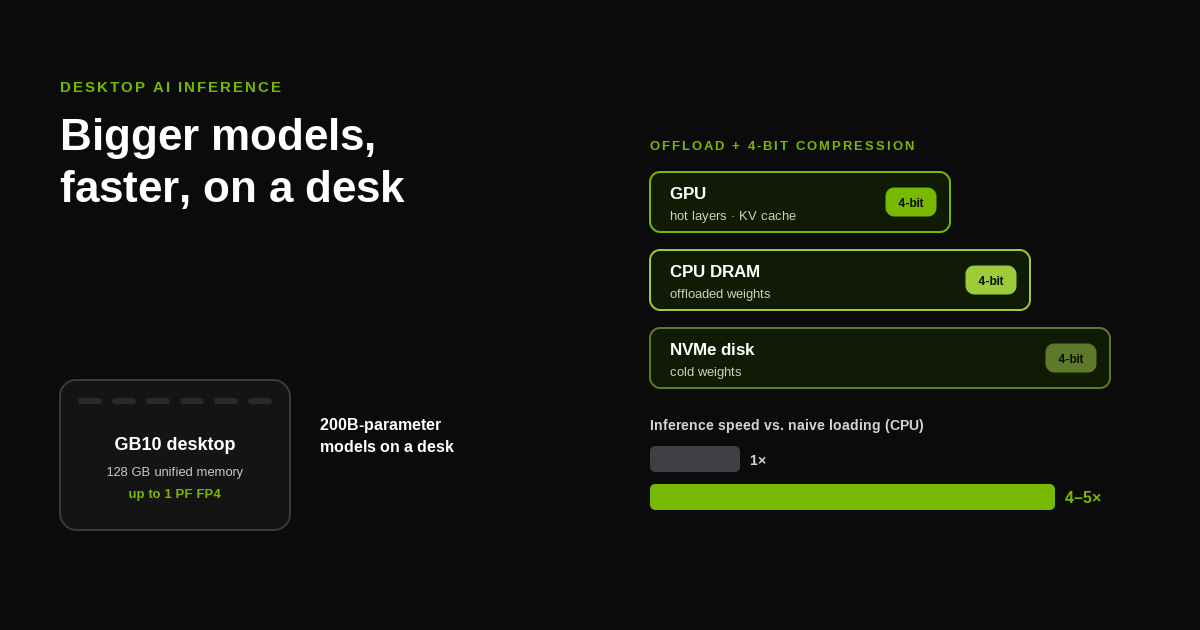
LLM Inference Boosts 4-5x with NVIDIA Grace
Desktop-scale clusters are moving from prototype curiosity to operational reality for manufacturing, supermarkets, banking, education, healthtech, fintech and…
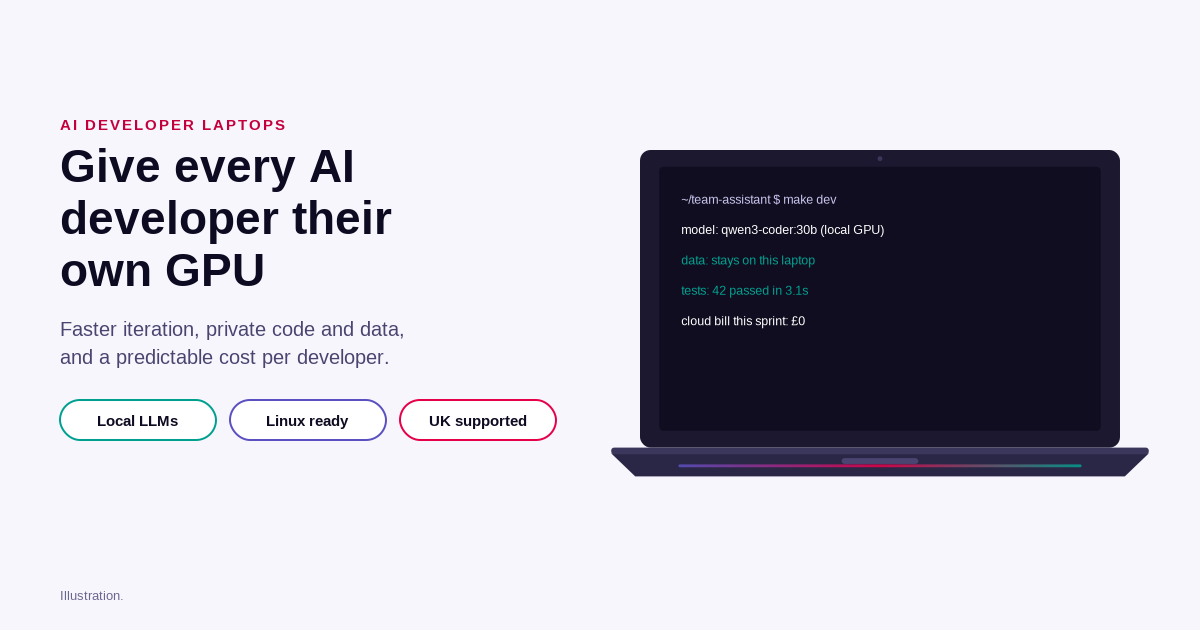
AI Developer Laptops: Why Every AI Team Should Give Developers Their Own GPU
Every software team is now an AI team. Giving AI developers a Linux laptop with a serious GPU makes them faster, keeps code and data private, and makes AI costs predictable. The business case, honest cost numbers, who needs which configuration and how to roll it out.
 WorkstationRead
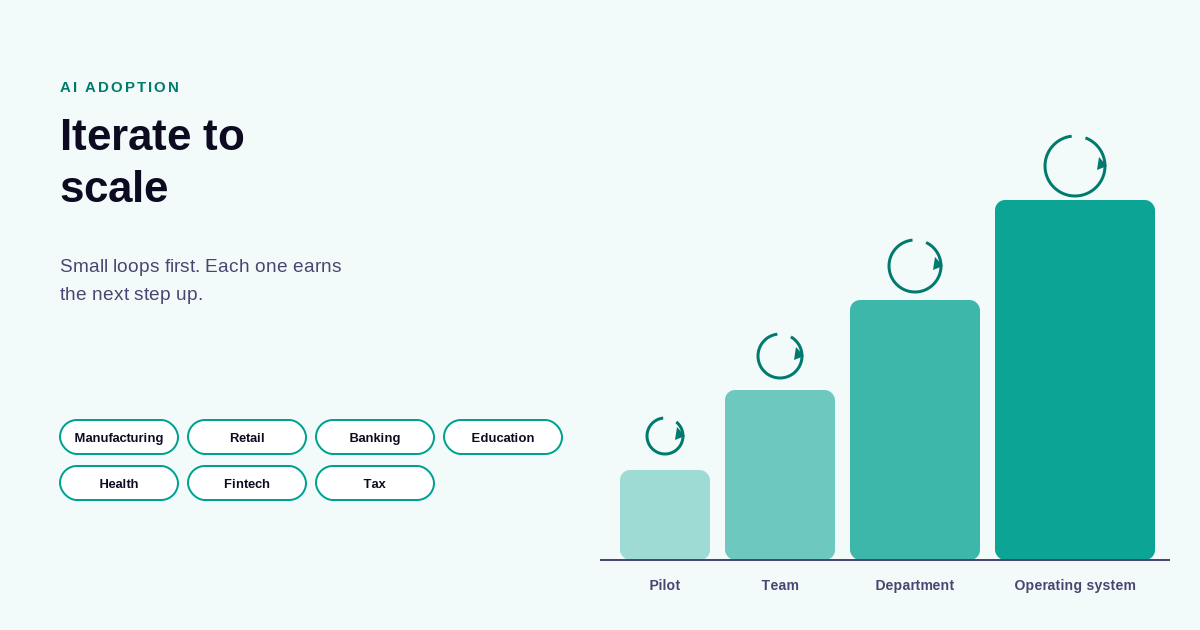
Iterate to Scale
For teams in manufacturing, supermarkets, banking, education, healthtech, fintech and tax returns, AI is moving from experiment to operating system. The…
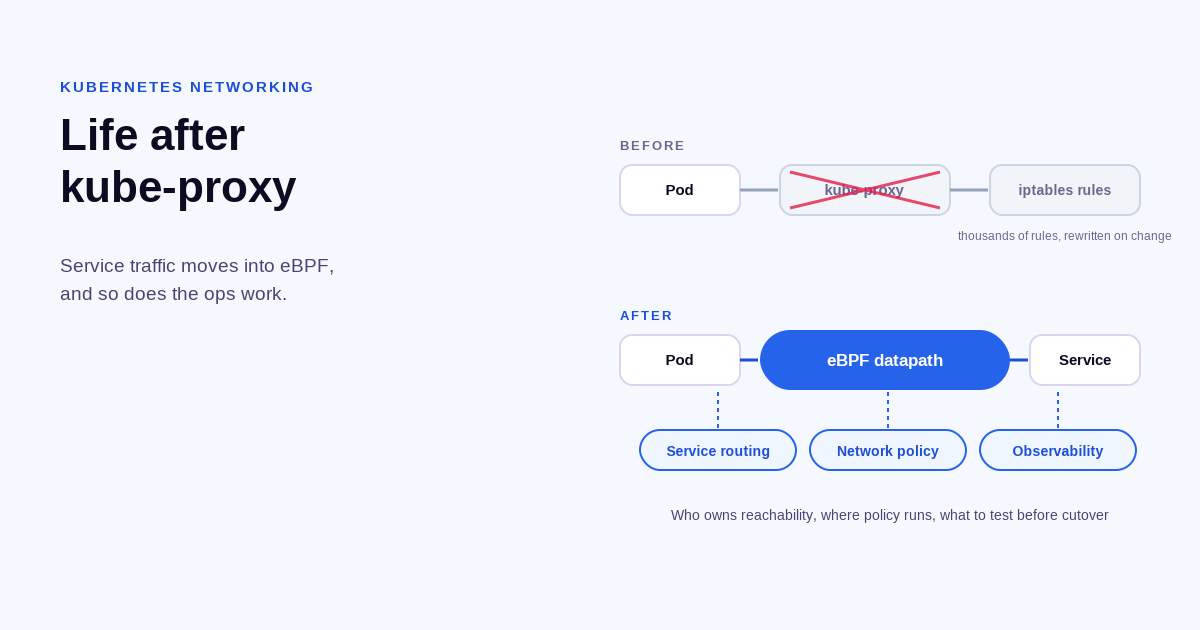
kube-proxy-free datapath shifts cluster ops to new solutions
Removing kube-proxy from the data path changes who owns service reachability, where policy is enforced, and what the cluster team must validate before a…
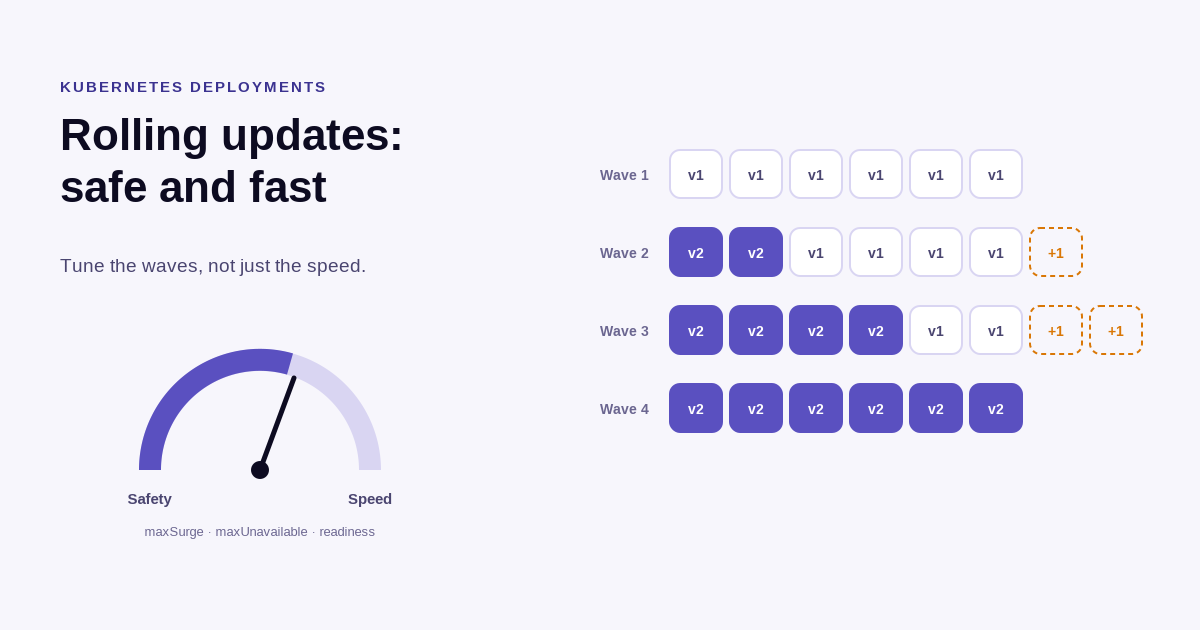
Balancing Safety and Speed in Kubernetes Rolling Updates
Optimizing deployments in Kubernetes is not merely about making things faster; it is about engineering a trade-off between safety margins and rollout velocity…
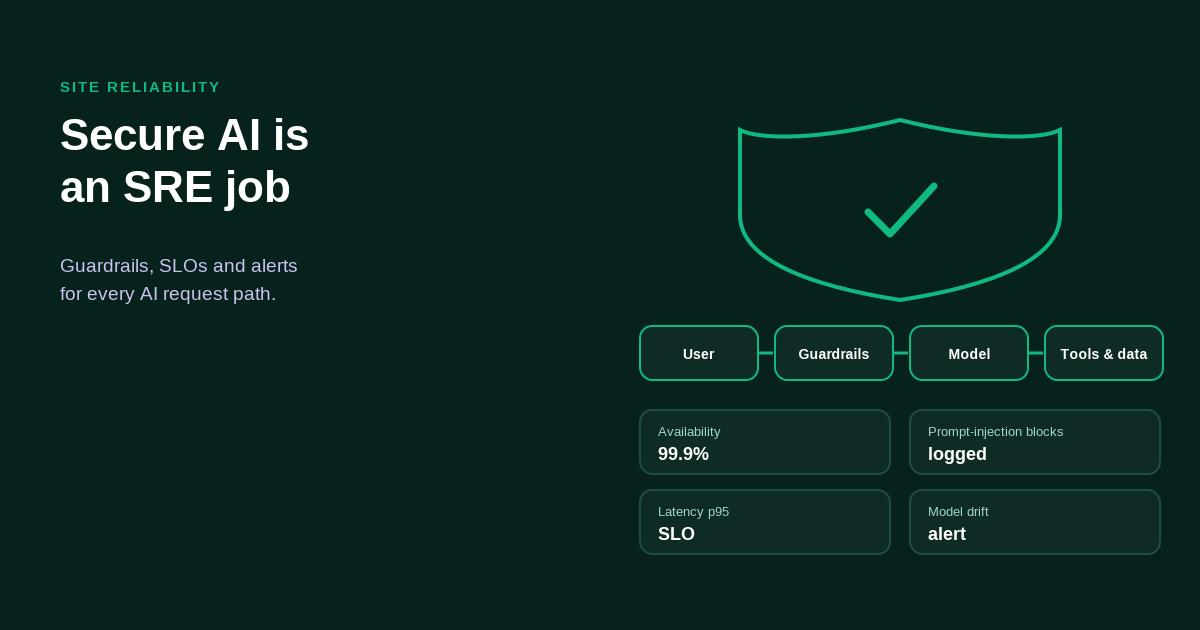
Secure AI Systems: A SRE Imperative
Integrating AI into SRE: Challenges and Opportunities Site Reliability Engineering is about making systems scalable, reliable, and efficient. Google engineers…
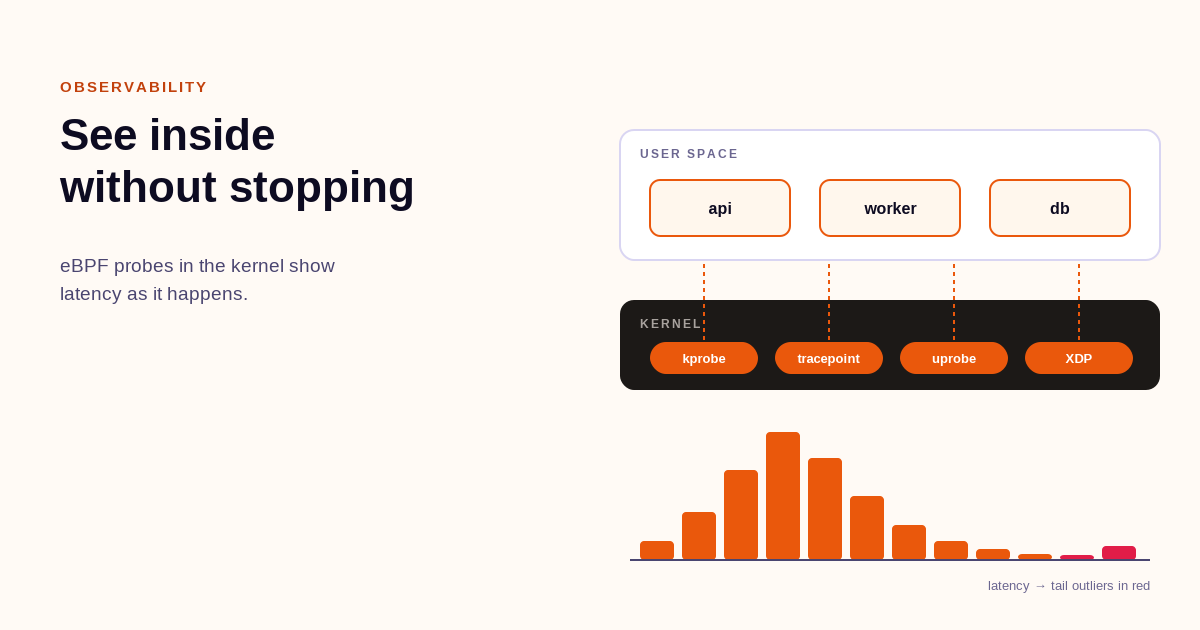
eBPF Observability: Low-Latency Insights
Adding eBPF observability to a product gives operators a way to see what is actually happening inside running systems without stopping the line, redeploying…
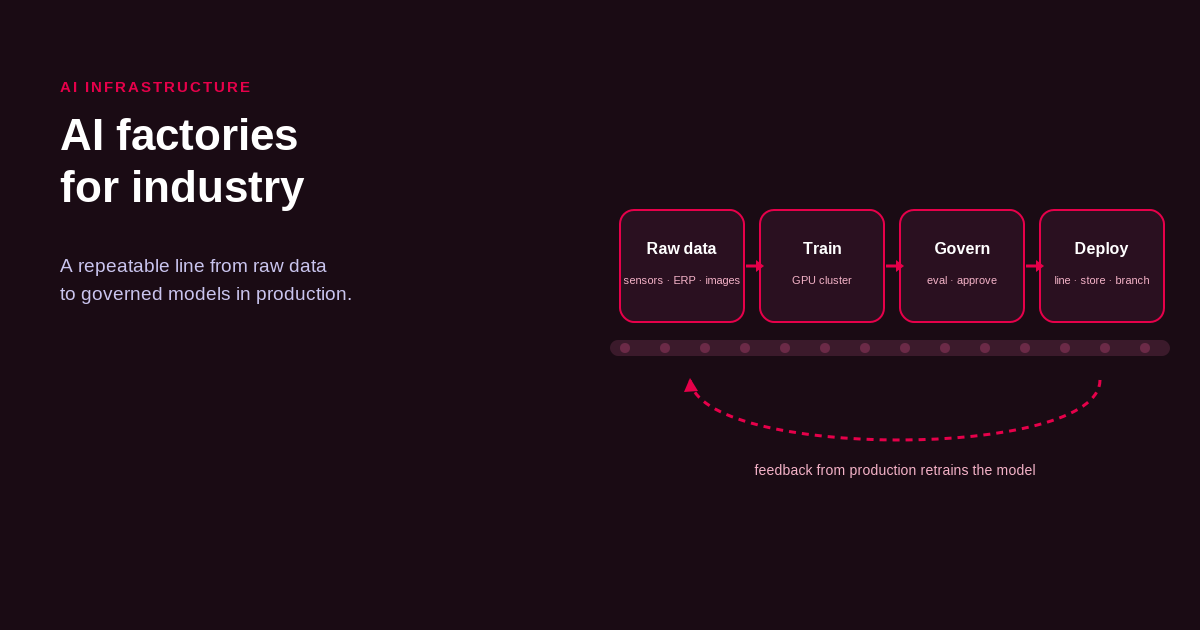
AI Factories for Industry
AI Factories are not a single product. They are a reproducible operational system that turns raw operational data into trained, governed models and then into…

DGX Spark: Scalable AI Compute
Introduction to DGX Spark NVIDIA DGX Spark is positioned as a desktop-class AI workstation for organizations that need powerful, always-on AI compute without…
AI Data Centre Services: How Workstation Designs, Builds and Hands Over
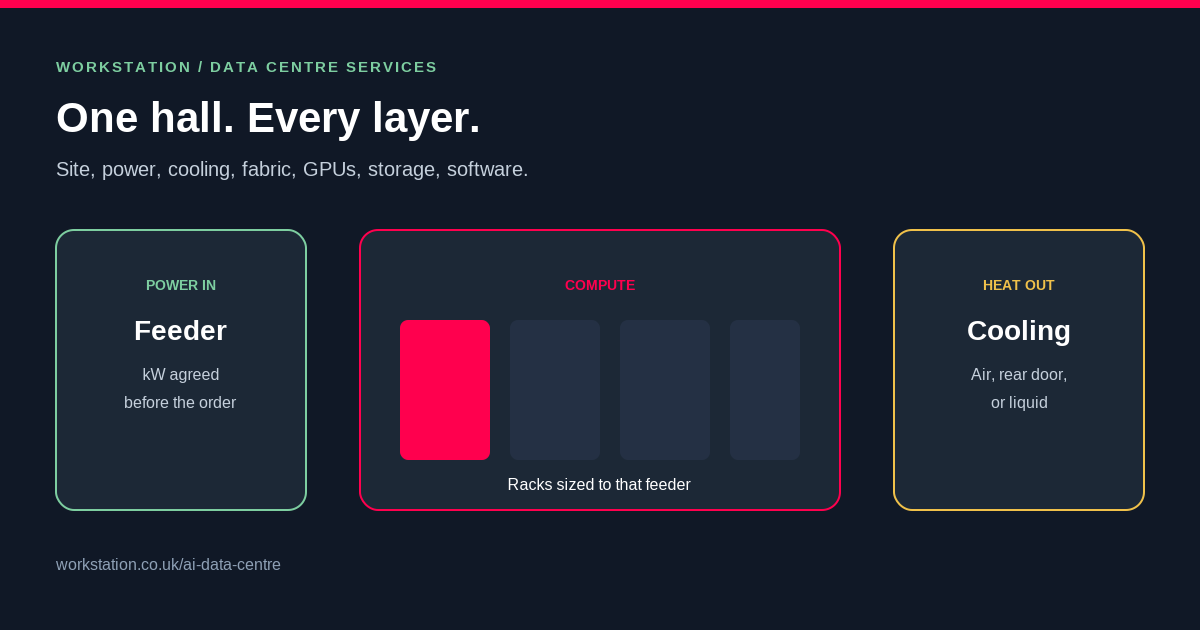
Workstation designs AI data centres around the load the building can take. One team covers the site, the power budget, cooling, networking, GPU servers, storage, software and a 72-hour burn-in. Here is the full service, and where a private GPU cloud is the better answer.
Balinder WaliaRead