Der Workstation-Blog
Alle Beiträge
Praxisnahe Leitfäden zu KI-Infrastruktur, MLOps, Modellen und dem Weg in die Produktion.
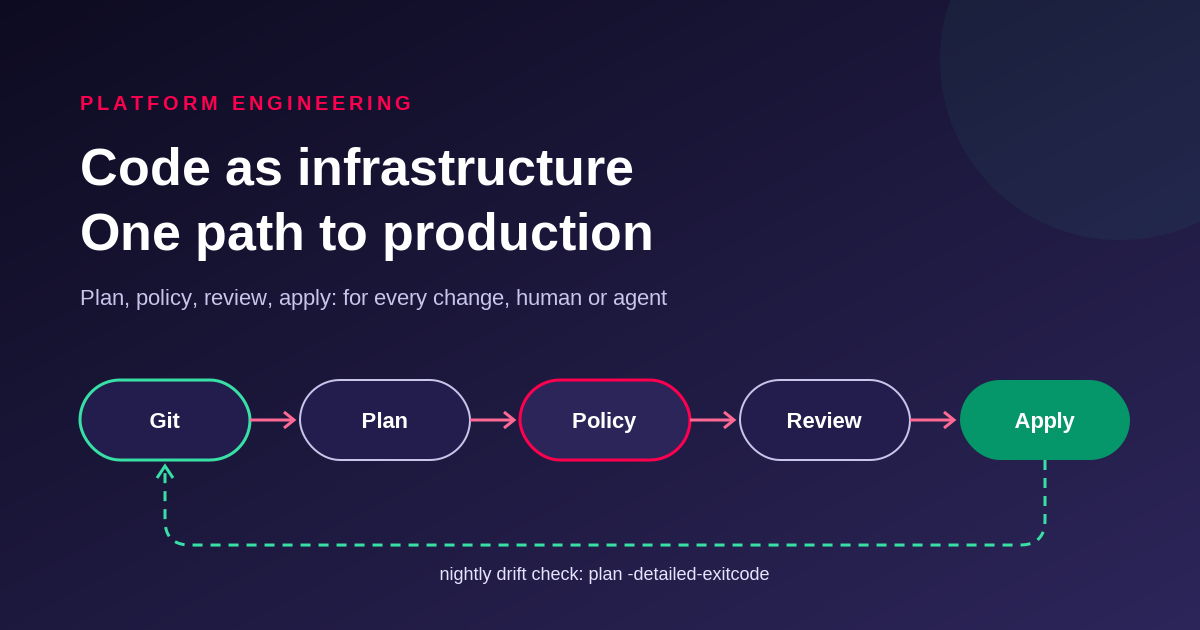
Code as infrastructure: one reviewed path for every production change
Infrastructure as code made servers into files. Code as infrastructure goes further: desired state, policy, pipelines and AI agent access all live in Git, are checked by policy, applied by automation and watched for drift. A practical playbook.
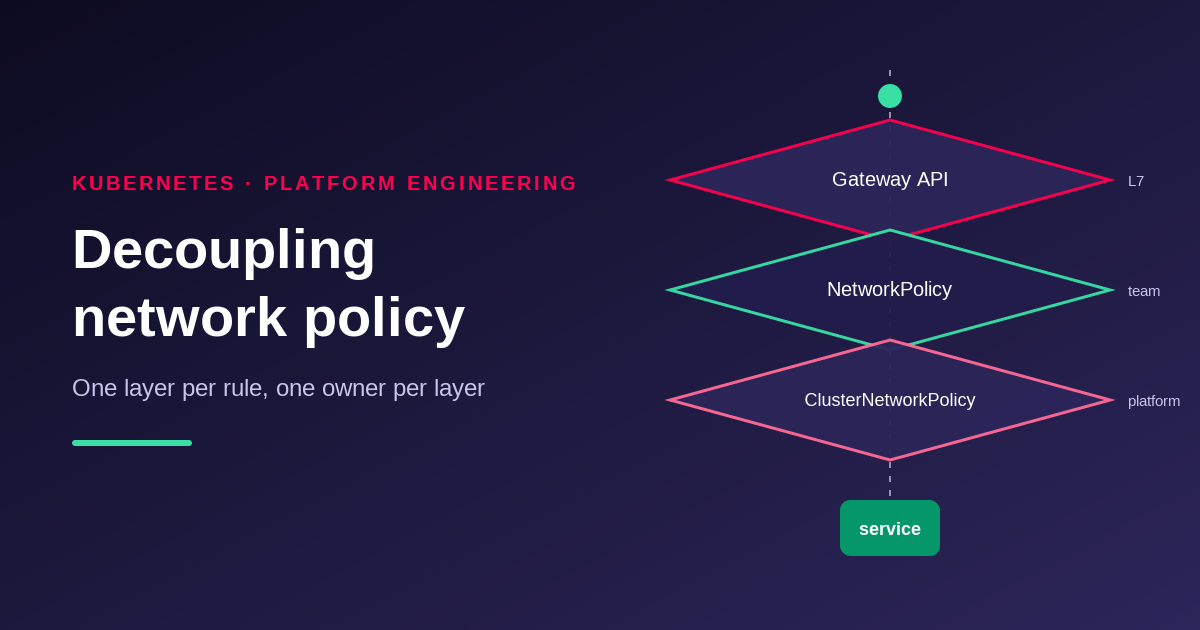
Decoupling Network Policy in Kubernetes: One Owner per Rule
Network rules scattered across annotations, app config and stray NetworkPolicies slow every change. Here is how to split them into layers with one owner each, using ClusterNetworkPolicy, NetworkPolicy and Gateway API, plus a step-by-step migration playbook.
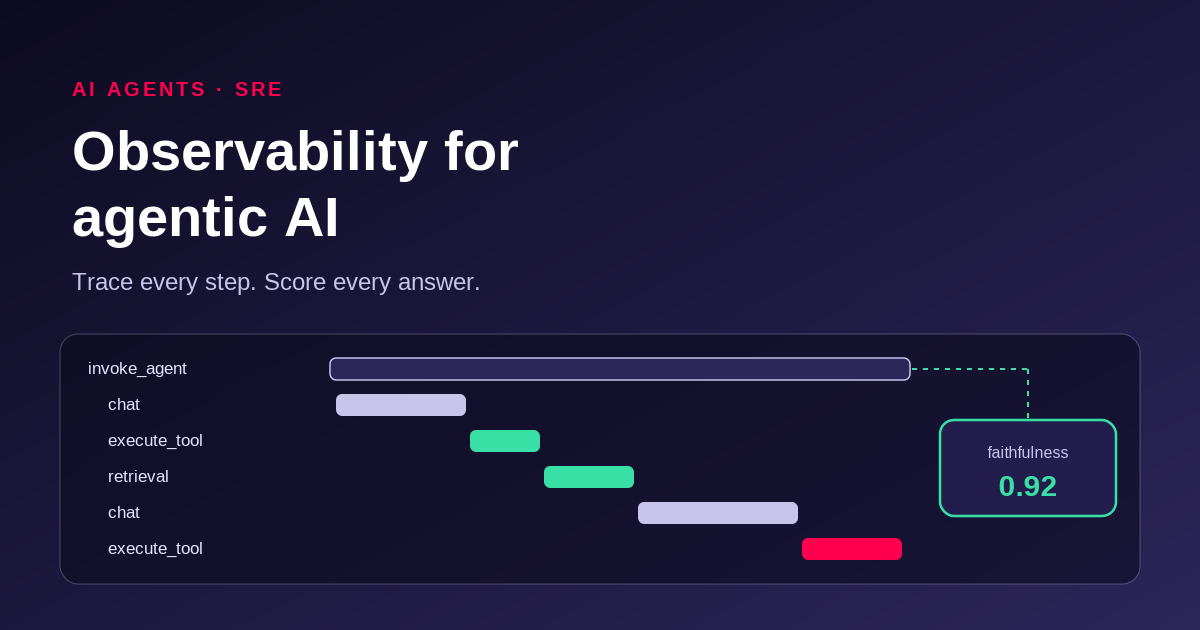
Observability for Agentic AI: Tracing, Evaluating and Auditing Agents
AI agents fail quietly: a confident answer from the wrong document, a tool called with the wrong argument. Learn how to trace every model, retrieval and tool step with OpenTelemetry, attach quality scores, and keep the records auditors ask for.
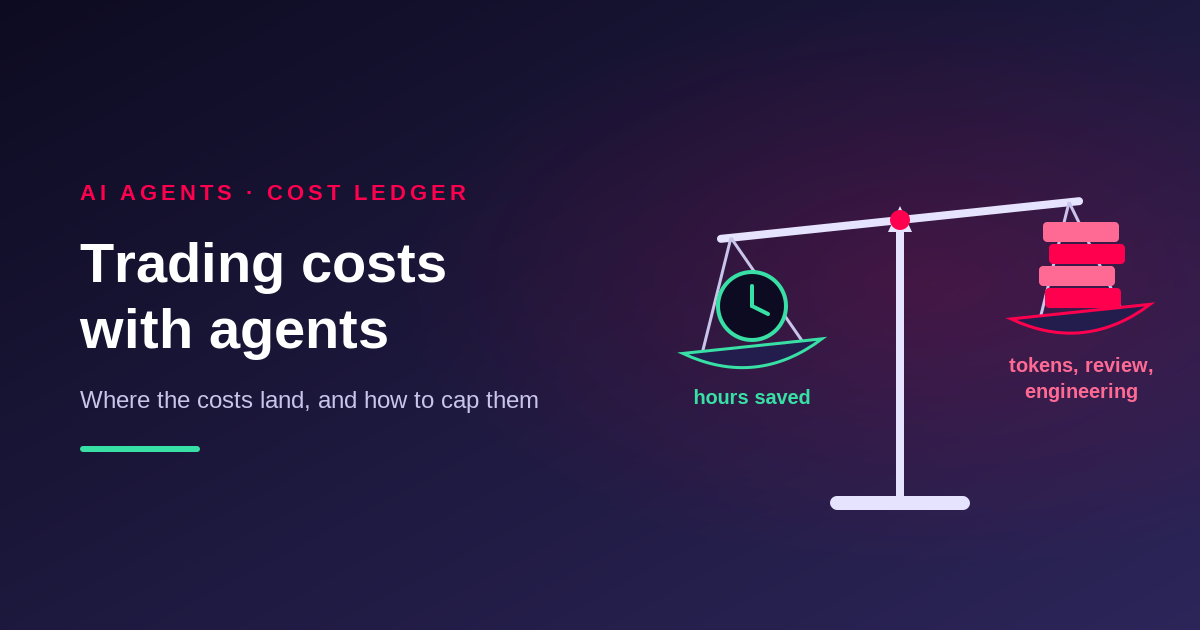
Trading costs with agents: what an AI agent really costs to run
AI agents move cost rather than remove it. Learn why the token bill grows with the square of loop steps, how caching and compaction bend the curve, and a playbook for pricing, budgeting and capping an agent before it reaches production.
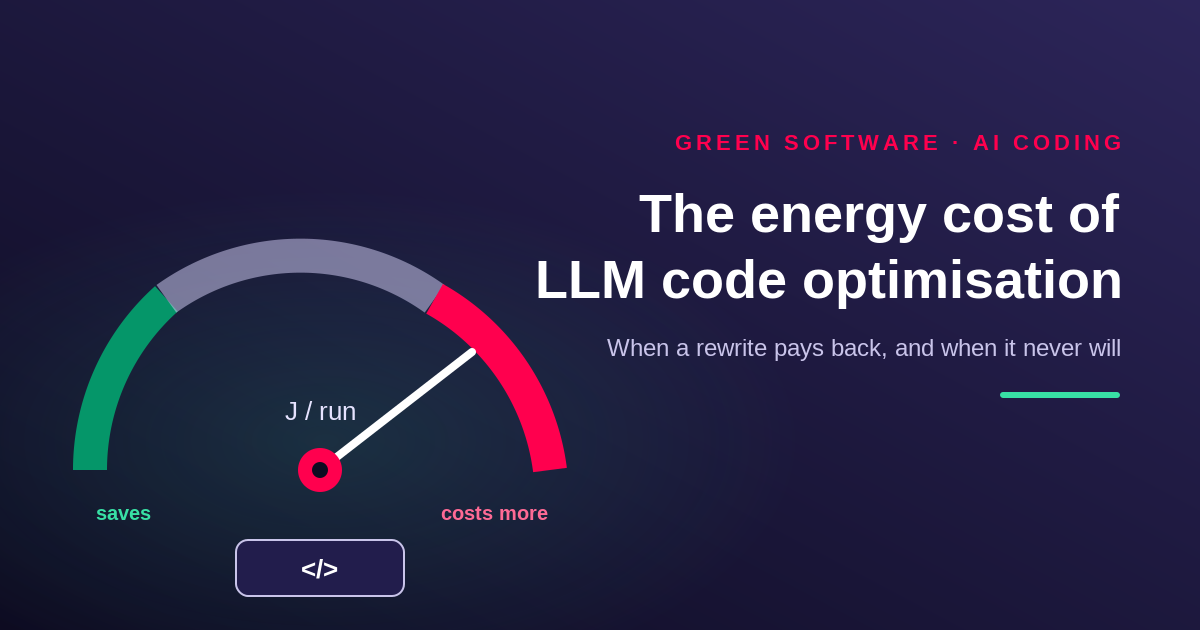
The energy cost of LLM code optimisation, and when it pays back
A 2026 study found LLM-optimised code used more energy per run than the human reference in 42 of 44 configurations. Learn the break-even rule, how to measure joules per run on Linux, and a workflow for keeping only the rewrites that pay back.
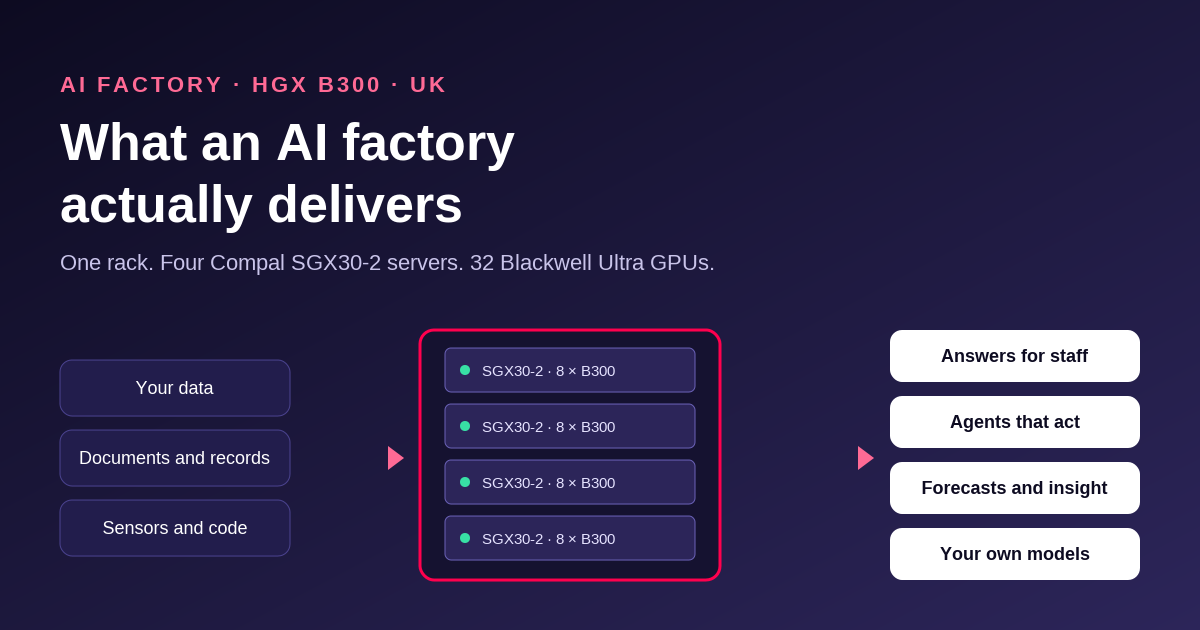
Was eine KI-Fabrik tatsächlich liefert: Ein Rack, 32 Blackwell Ultra GPUs und die Arbeit, die sie für Sie erledigt
Eine KI-Fabrik verwandelt Ihre eigenen Daten auf Hardware unter Ihrer Kontrolle in Antworten, Agenten, Prognosen und trainierte Modelle. Hier erfahren Sie, was hineingeht, was herauskommt, wie die Arbeit täglich abläuft und was ein Rack mit vier Compal SGX30-2 Servern und 32 NVIDIA Blackwell Ultra GPUs für den Betrieb benötigt.
 Balinder WaliaLesen
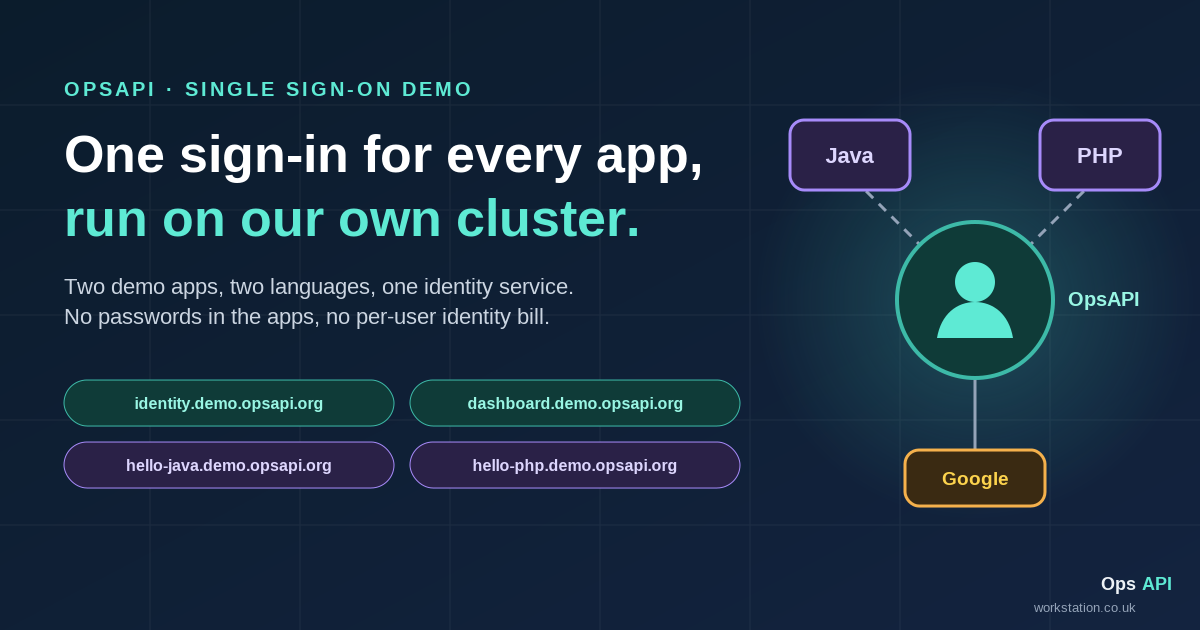
Eine Anmeldung für jede App, betrieben auf unserem eigenen Cluster
Fünf Demo-Apps in fünf Sprachen sehen nie ein Passwort und sprechen nie mit Google: Sie schicken Benutzer zu einem selbst gehosteten OpsAPI, das sie anmeldet und ein Token zurückgibt, das die App mit einem API-Aufruf prüft. Was das Anbinden einer App kostet, warum Admin-Dashboards hinter ein VPN oder einen Zero-Trust-Broker gehören, und die ehrlichen Grenzen.
Balinder WaliaLesen 
Halten Sie Ihre Test-Sites privat: VPN am Edge, eine Anmeldung für alle Apps
Staging- und Test-Sites enthalten realistisch wirkende Daten, werden aber oft nur durch eine IP-Allowlist geschützt. So halten zwei Ebenen sie privat: Ein am Edge geprüftes VPN belegt, woher eine Anfrage kam, und eine OpsAPI-Anmeldung mit MFA belegt, wer sie gesendet hat, über alle Apps hinweg.
Balinder WaliaLesen 
Interne Anwendungen hinter Ihr VPN stellen, ohne sie neu zu bauen
Staging-Sites und Admin-Panels sind oft nur dank einer IP-Allowlist „privat“. Stellen Sie sie hinter das Zero-Trust-VPN wslvpn, durchgesetzt am WSLProxy-Edge: Tunnel und Person prüfen, im Fehlerfall sperren und sehen, warum jemand blockiert wurde. Ein Feld pro Domain, keine Änderungen an der Anwendung, kein Neuladen.
Balinder WaliaLesen